

What happens when Bible places stop feeling far away and start feeling real? The places Paul visited in Turkey do exactly that. They turn familiar chapters in Acts into roads, cities, crowds, prisons, and churches made up of real people who heard the gospel in the middle of ordinary life.
Turkey matters deeply in the story of the early church. A large part of Apostle Paul’s ministry happened there. He preached in its cities, suffered in its streets, and encouraged believers who were learning how to follow Christ in a pagan world. When those places come into view, the message of Acts can feel less distant and much more personal.
[Check out this link to see some footage of places St. Paul visited in modern-day Turkey that John Christopher Frame visited, as well.]
Why the places St. Paul visited in Turkey matter
These sites are not important just because they are old. They matter because they remind Christians that the gospel moved through real towns filled with pressure, commerce, religion, fear, and hope. Paul did not preach in a sheltered setting. He brought the message of Jesus into busy public life.
That helps modern believers too. Faith is not only for church buildings or private moments. The story of Paul in Turkey shows the gospel meeting people in markets, synagogues, homes, and city centers. It speaks to anyone trying to follow Christ in a fast and distracted culture.
His journeys were costly, but they were full of purpose.
8 places Paul visited in Turkey
Antioch of Pisidia
Antioch of Pisidia was one of the first major stops on Paul’s first missionary journey in Acts 13. This city sat in a strategic part of Asia Minor, which made it a strong place to preach. Paul began in the synagogue, tracing the story of Israel and presenting Jesus as the promised Savior.
Some listeners received the message with joy. Others resisted it strongly. That pattern would repeat often in Paul’s ministry. Antioch of Pisidia shows both the openness and the opposition that followed gospel preaching from the start.
For readers today, this city offers a simple reminder. Faithful witness does not always lead to easy results. Sometimes the same message softens one heart and hardens another.
Iconium
Iconium, in Acts 14, was another key stop in what is now Turkey. Paul and Barnabas again entered the synagogue and spoke in a way that led many Jews and Gentiles to believe. But conflict soon followed. The city became divided.
That detail matters. The gospel brought hope, but it also forced people to respond. Jesus was not treated as one more spiritual option. His message called for decision.
Iconium can encourage Christians who feel tension when living out their faith. Not every divided response means something has gone wrong. Sometimes it means the claims of Christ have become clear.
Lystra
Lystra is one of the most vivid places in Paul’s journey. After Paul healed a man who had been lame from birth, the crowd thought Paul and Barnabas were gods. In a moment, admiration turned into confusion and false worship. Then the scene shifted again. Opponents arrived, stirred up the people, and Paul was stoned.
Lystra shows how unstable public opinion can be. One day a crowd praises. The next day the same crowd can reject. Paul kept going because his calling was anchored in Christ, not applause.
This city is also linked with Timothy, who later became one of Paul’s closest co-workers. That means Lystra was not only a place of pain. It was also a place where future ministry was strengthened.
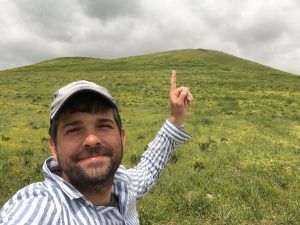
Here is a picture of John Christopher Frame visiting Lystra:
Derbe
Derbe may not get as much attention, but it mattered. Acts says Paul and Barnabas preached the good news there and won many disciples. After that, they did something striking. They went back through difficult places to strengthen believers.
That helps explain Paul’s heart. He was not chasing numbers or quick success. He cared about people growing strong in Christ. Derbe stands as a reminder that discipleship matters just as much as first belief.
Many Christians need that reminder. A strong beginning is good, but steady growth matters too. Paul’s route through Turkey was not only about reaching new cities. It was also about returning, teaching, and encouraging.
Ephesus
Ephesus was one of the most important cities in Paul’s ministry. He spent significant time there, taught boldly, and saw the gospel spread widely through the region. Acts 19 presents Ephesus as a major spiritual battleground. This was a city known for the temple of Artemis, magic practices, and commercial power.
When people turned to Christ, life changed. Some burned their scrolls of sorcery. Others became angry because the gospel threatened profitable idol-making. That is one reason Ephesus feels so relevant now. The message of Jesus still confronts the idols people build around money, status, and control.
Ephesus also helps readers see that Christian faith is not shallow comfort. It reaches into habits, loyalties, and public life. It asks what must be left behind so Christ can truly be followed.
Troas
Troas holds several meaningful moments in Acts. Paul traveled through this city more than once, and it became an important link in his wider mission. In Acts 16, Troas is where Paul received the vision of a man from Macedonia calling for help. That moment led toward the gospel moving farther into Europe.
Troas reminds believers that guidance often comes one step at a time. Paul did not know every detail ahead of him. But when direction became clear, he obeyed.
There is also a tender scene in Acts 20, when believers gathered and Paul spoke late into the night. Even in a story with travel and hardship, there are glimpses of shared fellowship and deep care among Christians.
Miletus
Miletus is remembered for one of the most moving speeches in Acts. Paul called the Ephesian elders to meet him there, and he gave a final charge filled with love, warning, and humility. He spoke like a shepherd who knew suffering was ahead, yet remained faithful to his task.
This stop matters because it shows Paul as more than a traveler. He was a pastor at heart. He cared how believers lived after he left. He warned them about false teaching and pointed them toward enduring grace.
Miletus speaks powerfully to anyone involved in serving others. Ministry is not built only on activity. It also needs tears, truth, and endurance.
Perga
Perga appears in Acts 13 and 14 as part of Paul’s route through southern Asia Minor. It may seem like a passing mention at first, but it played a role in the movement of the mission. John Mark left Paul and Barnabas there, which later became a point of sharp disagreement.
That small detail makes Perga feel surprisingly human. Ministry journeys were not polished. They included disappointment, strained relationships, and unresolved questions.
Yet the story did not end in failure. Later in the New Testament, Mark appears again in a more hopeful light. So even a place tied to tension can remind Christians that the Lord is able to restore people and continue His work.
What these places teach Christians today
The places Paul visited in Turkey are not simply markers on an ancient map. Together they tell a clear story. The gospel entered cultures that were proud, religious, skeptical, and often hostile. Still, Christ built His church.
That matters for Christians living now. It is easy to feel discouraged by spiritual confusion or social pressure. Paul’s journey shows that none of this is new. The early believers also lived in complicated places. They needed courage, wisdom, and deep trust in the Lord.
These cities also show that discipleship is rarely neat. Some places brought fruit. Others brought violence. Some opened doors. Others closed them. Paul stayed faithful anyway. That kind of faithfulness still matters more than visible success.
For readers who enjoy learning scripture through real locations, resources like Bible-centered travel writing and devotional study can make these journeys easier to picture. One example is the book page for All the Scattered Women, which reflects the same heart for encouragement, hope, and deeper trust in the Lord: https://www.johnchristopherframe.com/all-the-scattered-women
Reading Acts with new eyes
When these Turkish cities become more than names, Acts often reads differently. Antioch of Pisidia becomes a place of bold preaching. Lystra becomes a place of pain and perseverance. Ephesus becomes a place where idols were challenged by the living Christ.
That kind of reading does not replace personal devotion. It enriches it. It helps the reader picture the cost of mission, the courage of early believers, and the faithfulness of God across real geography and real history.
There is also something deeply encouraging here. The same Lord who strengthened believers in these cities still strengthens His people now. He still meets Christians in pressure, confusion, opposition, and need.
The roads of Turkey that Paul once walked are a reminder that the gospel has always moved through real places and real lives. And that means Christ can meet a believer in the ordinary streets of life today too.
Helpful closing thought: when a Bible location starts to feel real, obedience often does too.